


Top stories


Jay-Z Poised for 2027 Super Bowl Halftime Show, Stirring Buzz and Debate
Jay-Z is reportedly set to headline the 2027 Super Bowl halftime show, marking a significant choice by the NFL through his Roc Nation partnership. This move stirs debate on its nostalgia-driven nature and potential political undertones.
yahoo.com + 278


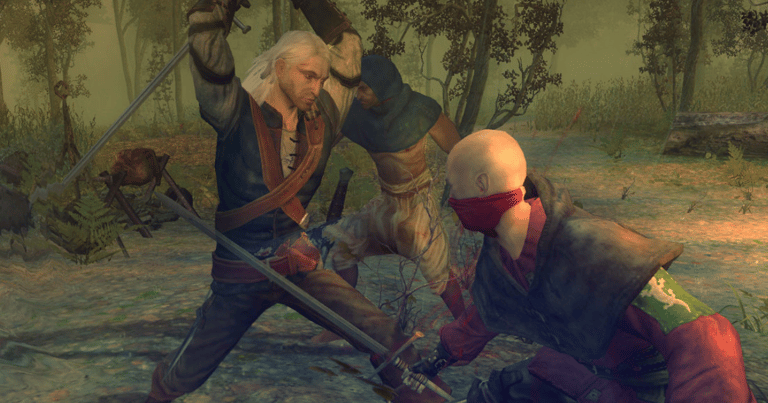
BioWare Closure Sparks Industry Shockwaves: Fans Rally to Save Beloved RPG Series
BioWare, known for iconic titles like Mass Effect, was shut down by EA, leading to over 400 layoffs and sparking a fan petition with support from notable actors. Industry speculation centers on whether new games can capture BioWare's narrative-driven RPG legacy, as fans and insiders express concern over the studio's closure.
cbc.ca + 21



University of Michigan engineers and clinicians have achieved FDA clearance for a minimally invasive device, the Hēlo Thrombectomy System, to treat pulmonary embolism. This breakthrough follows successful ENGULF trial results and highlights the collaborative efforts of U-M programs and the startup Endovascular Engineering, which has raised over $122 million in funding.
umich.edu + 2

You're All Caught Up
You've seen all top stories, below are some other stories.
OpenAI has unveiled 'dots,' a proactive AI assistant for ChatGPT Pro users, aimed at streamlining task management across devices with a $100 monthly subscription. While the innovation promises enhanced productivity, concerns about data privacy and potential monetization loom large, as OpenAI assures users of inherited privacy controls from ChatGPT.

techcrunch.com + 1

Infinix is launching the GT NX package in India on October 27, featuring a phone controller and docking hub to enhance gaming performance on mobile devices. The bundle supports 4K displays, advanced cooling, and a range of accessories, with pre-booking incentives and a price range of Rs 50,000–Rs 60,000 on Flipkart.
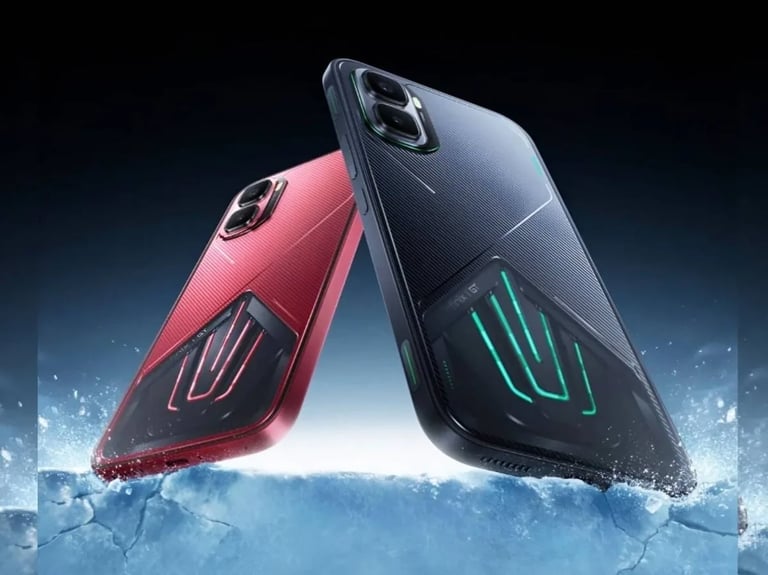
businesstoday.in + 5
Sonic X Shadow Generations, a remastered game combining Sonic and Shadow campaigns, has surpassed 3 million sales since its October 2024 release. SEGA attributes this success to strong Western market performance and strategic marketing centered on Shadow, despite not providing breakdowns of sales by platform or region.

softonic.com + 4
Helldivers 2 celebrates Liberty Day 2026 with a unique Super Merch program, linking in-game achievements to exclusive physical rewards. The event features limited-time in-game gifts and offers a series of community activities, but PC players are facing login issues due to new anti-cheat measures.
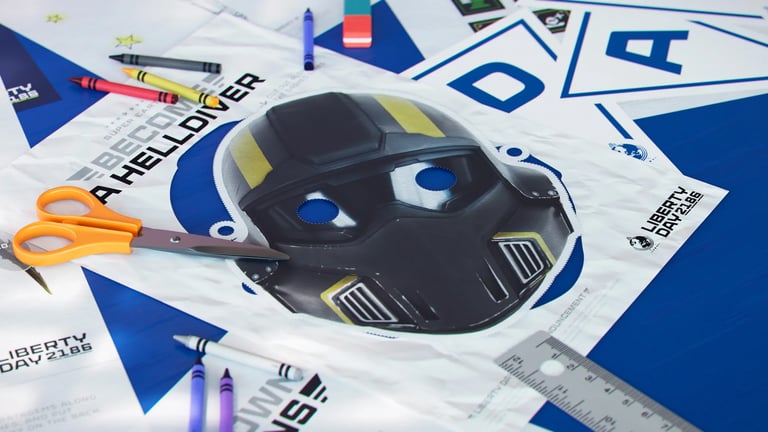
playstation.com + 4

USA Track & Field has named the men's 800 meters at its national championships in honor of Frank Gagliano, acknowledging his extensive contributions to American track and field. Gagliano's illustrious career included coaching 140 All-Americans and producing five Olympians, solidifying his legacy in the sport.

usatf.org + 2
KingMidas Games has joined the Yggdrasil YGG Masters program to speed up game development and expand its global presence. This partnership allows KingMidas to utilize Yggdrasil's Game in a Box tech for innovative gameplay and faster launches, while enhancing its portfolio with diverse content and Japanese IP collaborations.
igamingbusiness.com + 2
The US Supreme Court has taken up a case involving a Kentucky church group seeking to build a Virgin Mary shrine, highlighting tensions between zoning regulations and religious land-use rights. The case raises important constitutional questions about religious freedom and local planning, following resident concerns over neighborhood impact.

inkl.com
DeepSeek, led by Liang Wenfeng, has revolutionized AI with lean models that cut costs dramatically, raising $7.4 billion in 2026 to further its efficient AI ambitions. The company's models, utilizing a sparse approach, deliver competitive performance at lower expenses, challenging industry's reliance on massive budgets and impacting NVIDIA's market value.

analyticsinsight.net